One clinician, a whole group
Group sessions in VR can clear the waiting list.
With HVS 6D VR, one therapist, clinician or practitioner can run several patients at once, treat more people, and still give longer 1-to-1 training that matches and paces each patient's abilities, performance and recovery.
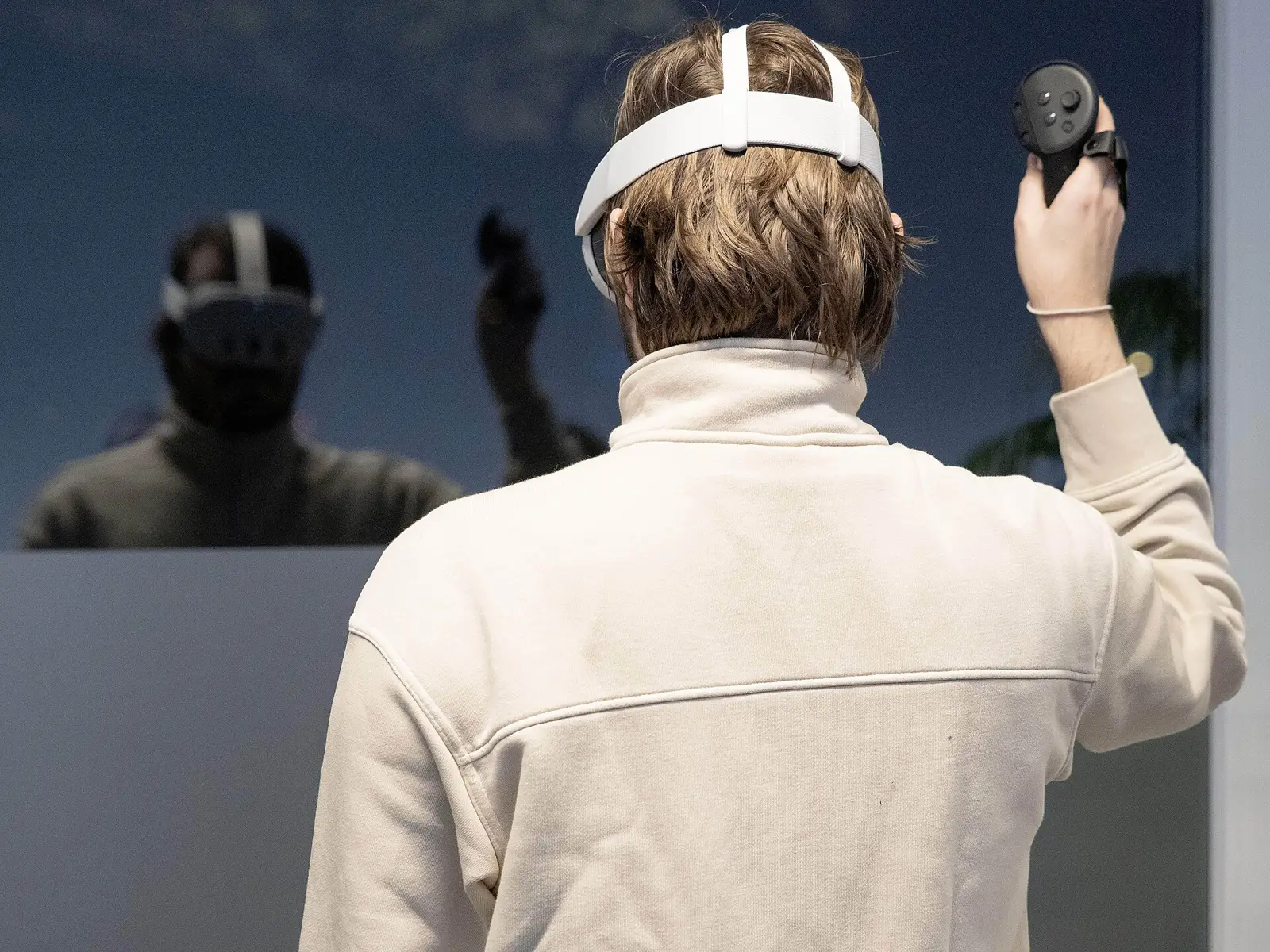
Image: credit
Recovery happens in the hallway, the supermarket and the crossing outside the clinic, places that are hard to rehearse safely. Virtual reality brings those places indoors, lets a therapist turn the difficulty up slowly, and records every step so progress isn't guesswork.
Here is the part that changes a clinic's week. When patients practise together in VR, one therapist, clinician or practitioner can keep the whole group moving while the software sets each person's level, so the backlog can shrink and nobody has to settle for a rushed slot.
Five videos, five goals: steadier walking, stronger hands after stroke, finding the way again, coping with busy places, and feeling ready for the shops. Each page has the full script, chapters and the evidence behind it.
The big idea
Clear the backlog without cutting the care
Waiting lists grow when every patient needs a clinician to themselves for every minute of practice. Group sessions in virtual reality change that arithmetic.
With HVS 6D VR, several patients can each work through their own virtual task in the same session. Each scene can be set to that person's current level and adjusted as their performance changes, while one therapist, clinician or practitioner oversees the room. That can mean more patients seen, a shorter waiting list, and more total practice time for each person than a single short appointment allows.
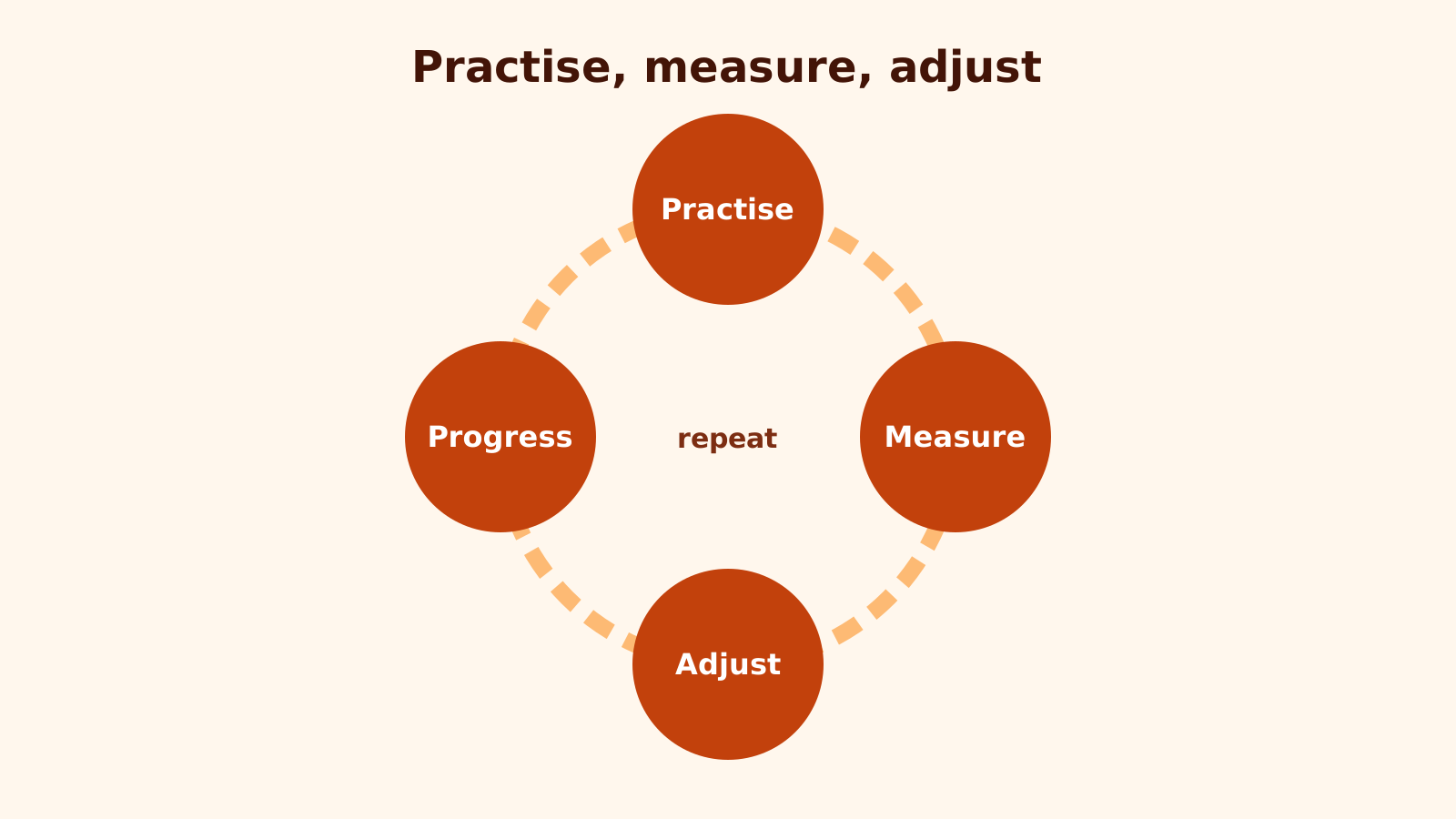
The clinician's attention goes where it matters: a word of coaching here, a harder level there, a pause for someone who is tiring. Every session is recorded, so progress is visible rather than guessed. Read more about group rehabilitation with HVS 6D VR.
Questions clinics ask
Can one clinician really run a VR group and still give individual training?
That is the aim. Each patient can follow an individual programme that matches and paces their own abilities, performance and recovery, while one practitioner supervises the group. Group VR is a way of organising care, not a replacement for clinical judgement, and how many people a group can safely include is a decision for each service.
Explore
On this site
VR for balance and gait rehabilitation
How can a virtual street help someone walk more steadily?
VR mirror therapy after stroke
Can seeing both hands move help the brain rewire?
VR wayfinding and following directions
How do we train someone to find their way again?
Audio and visual desensitisation in VR
Can we gently retrain sensitivity to busy places?
VR for dementia therapy and community reintegration
Can a virtual shop trip help someone feel ready for the real one?
VR upper-limb reaching practice
How do we get more arm practice into every week?
VR balance training for falls prevention
Can practising in a virtual world help an older adult stay on their feet?
VR attention and cognitive rehabilitation
Can a virtual task help someone focus again after a brain injury?
Running group VR rehabilitation sessions
How can one therapist run a group and still give each patient individual training?
Watch
Welcome: one therapist, more patients
A one-minute welcome: how group sessions in VR can help a service clear its waiting list while each patient trains at their own pace.
Each topic page has its own short film, with captions, the full script, chapters and sources.
From the journals
Rehab research worth opening
Immersive VR after stroke, bone-linked recovery and other movement studies. Each rewrite links to the original. None of this invents clinic capacity numbers; the group-session idea sits on the rest of the site.
Thirty-four trials of immersive VR after stroke
A systematic review of immersive virtual reality after stroke pooled 34 randomised trials (about 1,200 adults across acute, subacute and chronic phases), searching to April 2025. Immersive VR was most often added to ordinary rehab. Meta-analyses favoured VR for upper-limb motor impairment on the Fugl-Meyer Assessment and for selected gait measures such as walking speed and stride length, while balance, everyday function and quality of life stayed mixed. Certainty of evidence was low to very low. The authors call VR a promising, generally safe supplement, not a proven replacement, and ask for larger, cleaner trials. Open access in PLoS One; PROSPERO CRD420250639792.
PLoS One
Read the original at PLoS OnePressing on the shinbone helped injured brains recover
Researchers gently compressed the shinbones of mice, 300 times at two per second, five days a week, after brain injury. More treated mice survived, damage was smaller, and they found the hidden platform in a water maze better than untreated mice. The effect needed a pressure sensor called PIEZO1 in bone cells, serum from treated mice protected other injured mice, and the approach also helped miniature pigs. Published in Nature Neuroscience.
Nature Neuroscience
Read the original at ScienceAlertAn Astragalus saponin after traumatic brain injury
A Lanzhou University group gave astragaloside IV to male C57BL/6 mice after controlled cortical impact, at 40 or 80 mg/kg every other day for four weeks, with GM1 ganglioside as the comparison treatment. The 40 mg/kg dose shortened water maze escape times, and NMDA receptor blockers cancelled the benefit, pointing to glutamate signalling. Published in Frontiers in Pharmacology.
Frontiers in Pharmacology
Read the original at Bioengineer.orgA 14-herb formula in rats with reduced brain blood flow
Rats with both carotid arteries tied off (9 sham, 12 model, 13 treated) received Modified Dioscorea Pills for 45 days. In the water maze the treated group pulled away from untreated model rats by day three and crossed the platform site more often at probe. The article is clear that this doesn't establish a treatment for human dementia.
Read the original at Bioengineer.org